Here’s a hot take to mull over this weekend: genres make adolescence survivable. After that, they don’t carry quite the same weight.
I should admit this entire argument was born out of a three-hour plus conversation with an old friend last night. After stuffing ourselves with Greek food from a newly discovered Uber option, we camped out in his garage studio and put on classic jazz – a genre we’ve both circled for years but never really tried to understand.
At some point, I had to accept that my brain wasn’t going to just get jazz in one sitting. Once I stopped trying to decode it and just listened, something shifted. The music stopped being a puzzle and started being atmosphere.
And that’s when the other idea crept in.
Somewhere between the tzatziki and my failed attempt to “understand” jazz, it hit me: genres feel a little like high school cliques. Intense at the time. Slightly embarrassing in hindsight.
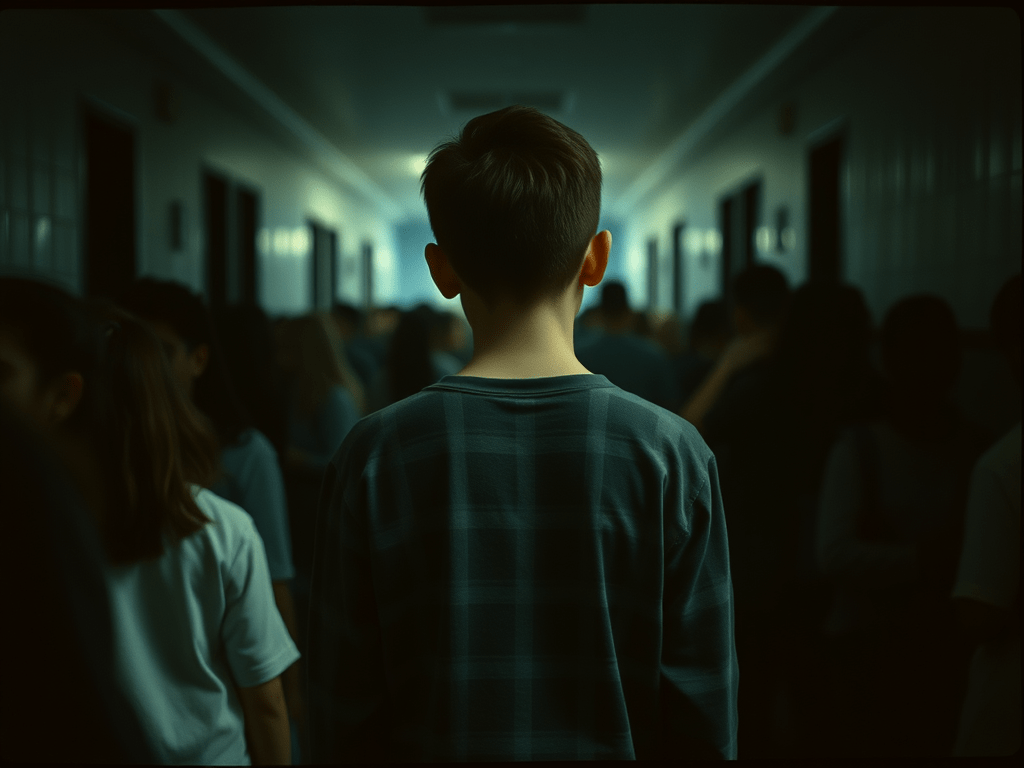
When we’re young, genre is oxygen. Not because we’re experts, but because we’re overwhelmed. At eleven, you’re dropped into a social ecosystem with no map and a rapidly mutating landscape. We don’t know who we are yet – but we know what we like.
We inherit taste before we develop it. We latch onto whatever our parents, older siblings, or cool cousins say is fun or exciting. Then something shifts. Our brains start recognizing the sounds, stories, and aesthetics that make us feel something, bigger, safer, louder, less alone. We begin building small corners of identity around those pockets.
Not because we’re deep. Because it feels good.
And in middle school, feels good is a perfectly acceptable survival strategy.
Once high school arrives, genres shift from survival strategy to social armor. You don’t just like things anymore, you wear them. You defend them. You let them speak first so you don’t have to. A band tee becomes a signal. A playlist becomes a perimeter. A movie obsession turns into shorthand for who you are and who you’re not.
As a military brat, I changed schools a lot, genres became my social shorthand. A way to identify my people quickly. They were badges. Signals. Saying “I’m into Metallica,” or “I’m into NIN,” or “I’m into 2Pac” wasn’t just about taste. It was vital social information. It told me where I might sit at lunch. It shaped my posture, my attitude, even my emotional temperature.
Half the time, these signals said more about the social world around me than the music itself.
Genres reduce the complexity of self-definition at a moment when everything else feels overwhelming. It’s much easier to say, “I’m into this,” than, “Hi, I’m Matt. I stumble over my own words when I get excited, I have crippling self-doubt, and my feet sweat unnaturally.”
And then there’s the emotional instability of the typical adolescent. It’s the only phase of life where a song can ruin your week and a look in the hallway can trigger a three-hour identity crisis. Genres offer predictability. Predictability creates safety. When you know a genre, you roughly know how it will make you feel.
Horror promises controlled fear.
Fantasy promises escape.
Pop promises familiarity.
Comedy promises relief.
As teens, who feel everything at 11, that predictability matters. Genres become tools for emotional regulation as much as entertainment. You didn’t just watch a horror movie; you managed anxiety through something structured. You didn’t just blast a breakup song; you let it hold the feeling for you.
And then something shifts.
Around thirty-five, I began to notice my tastes widening. It started with exploring metal subgenres. That led to folk. Folk led to bluegrass. And so on. The lanes blurred. The guardrails started to feel optional.
None of this is me saying you’re some underdeveloped Neanderthal if you stay in your lane. I get it. I’ve logged plenty of hours inside the warm, predictable borders of the familiar – convincing myself I had “refined taste” when really I just didn’t want to feel lost again. There’s comfort in knowing exactly what you’re going to get. There’s nothing wrong with returning to what steadies you.
The point isn’t to abandon categories. It’s just to recognize we don’t have to hide behind them.
Which explains why rewatching as an adult can feel both comforting and faintly embarrassing. The thing that once felt like a personality turns out to be… a phase. But it was a useful one.
Rewatching isn’t about reclaiming that armor. It’s about examining it, dents and all. Seeing what it protected. Seeing why we needed it. And quietly thanking it for getting us through a time when liking something felt a lot safer than knowing ourselves.
Rewatch / Replay — experiencing it again, a little steadier this time.
 Rewatch / Replay
Leave a comment